

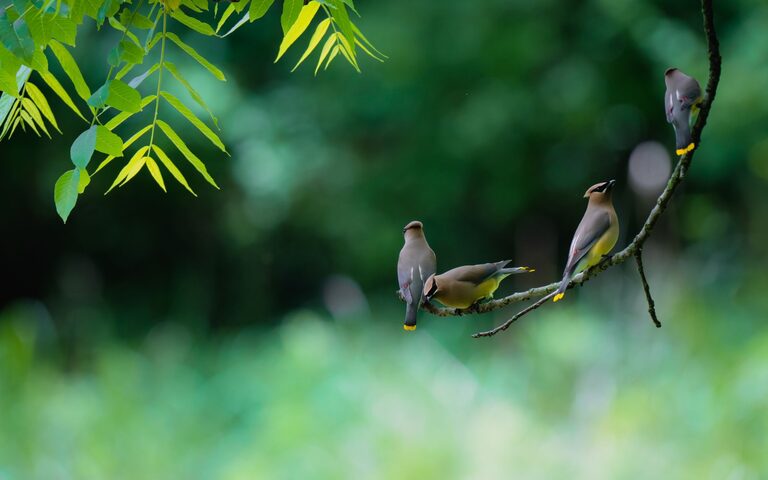
Birdwatching is a relaxing and rewarding hobby that lets you connect with nature right in your own backyard. Whether you’re a complete beginner or just looking to improve your birdwatching experience, these simple tips will help you get started and enjoy the visit of feathered friends.
Why Backyard Birdwatching?
Birdwatching doesn’t require traveling to remote locations or expensive equipment. Your backyard is a perfect place to observe a variety of birds, learn about local species, and enjoy the peacefulness of nature. With a little effort, you can create a welcoming environment that attracts birds throughout the year.
1. Setting Up Your Backyard for Birds
Provide Food Sources
Birds visit yards looking for food. Offering the right types can attract a diverse range of species.
– Bird Feeders: Choose feeders suitable for different bird types. Tube feeders are great for small songbirds, while platform feeders can attract larger birds.
– Feed Types: Use a variety of seeds, such as black oil sunflower seeds, nyjer seeds, and millet. Suet blocks and peanuts can attract woodpeckers and nuthatches.
– Avoid Moldy or Old Seed: Change seed regularly to keep birds healthy.
Offer Fresh Water
Birds need water for drinking and bathing.
– Birdbaths: Place a shallow birdbath in your yard. Clean it frequently to prevent algae and mosquitoes.
– Moving Water: Adding a dripper or small fountain can attract more birds, as they are drawn to the sound of moving water.
Provide Shelter and Nesting Spots
Birds like safe places to rest and raise their young.
– Trees and Shrubs: Plant native trees and bushes to offer shelter and food.
– Nest Boxes: Put up birdhouses designed for local species. Check the recommended size and placement for each type.
2. Essential Tools for Beginners
Binoculars
A good pair of binoculars will help you see birds clearly without disturbing them. Look for lightweight models with 7x to 10x magnification.
Field Guide or App
A bird field guide or mobile app helps identify species by sight, sound, and behavior. Many free and paid apps offer photos and bird calls.
Notebook or Journal
Recording your observations is fun and educational. Write down the species you see, the date, and behavior notes.
3. Identifying Birds: Basic Tips
Observe Size and Shape
Note the bird’s size compared to common birds, its body shape, and posture.
Look at Colors and Patterns
Colors on the head, wings, and chest can help distinguish species.
Listen for Bird Calls
Bird songs and calls are unique and useful for identification, especially when birds are hidden.
Watch Behavior
Notice how birds move, feed, or interact with others.
4. Best Times for Birdwatching
Bird activity varies throughout the day and year.
– Early Morning: Birds are most active just after sunrise.
– Late Afternoon: Another active period before dusk.
– Seasonal Changes: Migration seasons in spring and fall bring a variety of species.
Spend some quiet time in your backyard during these periods to increase your chances of sightings.
5. Tips for Enjoying Birdwatching Responsibly
– Avoid Disturbing Birds: Move slowly and quietly. Don’t try to touch or catch birds.
– Keep Feeders Clean: Prevent disease by cleaning feeders and birdbaths regularly.
– Respect Nesting Areas: Avoid touching nests or disturbing nesting birds.
– Encourage Native Plants: Native plants provide the best food and habitat for local birds.
6. Joining a Birdwatching Community
Connecting with others can enhance your learning and enjoyment.
– Local Birdwatching Groups: Many communities have clubs or meetups.
– Online Forums and Apps: Share sightings and ask questions.
– Citizen Science Projects: Participate in events like the Audubon Christmas Bird Count or the Great Backyard Bird Count.
Final Thoughts
Backyard birdwatching is an accessible way to appreciate the natural world. With simple preparations, patience, and a bit of curiosity, you’ll soon enjoy watching colorful and fascinating birds visit your yard. Remember, the key is to create a welcoming habitat and observe respectfully. Happy birdwatching!