

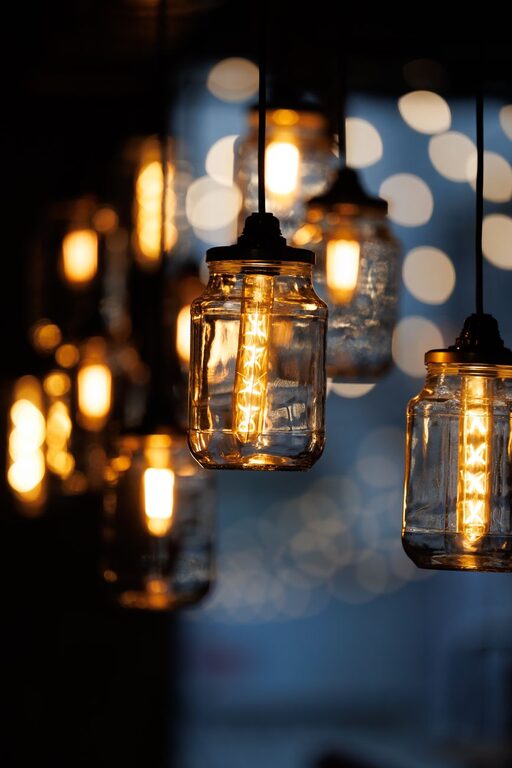
Creating a comfortable home environment goes beyond furniture and decor—it also involves choosing the right lighting. Proper lighting not only brightens your space but also affects mood, productivity, and even your wellbeing. With so many lighting options available today, selecting the best fixtures and bulbs can feel overwhelming. In this guide, we’ll walk through practical tips to help you choose comfortable home lighting that complements your lifestyle and enhances each room.
Why Comfortable Lighting Matters
Lighting influences how a room feels and functions. Harsh, overly bright lights can cause eye strain and discomfort, while dim or uneven lighting might make spaces feel gloomy or less inviting. Comfortable lighting strikes a balance—providing enough brightness to see clearly while creating a warm, welcoming atmosphere.
Achieving this balance can:
– Improve your mood and relaxation
– Help you focus during tasks
– Reduce eye fatigue
– Highlight your home’s style and décor
With these benefits in mind, here’s how to pick lighting that works for you.
Understand Different Types of Lighting
Before choosing fixtures or bulbs, it’s important to know the three main types of lighting. These work together to create a well-lit, comfortable space:
Ambient Lighting
This is the general, overall light that fills a room. It usually comes from ceiling fixtures such as recessed lights, chandeliers, or flush mounts. Ambient lighting provides consistent illumination so you can move safely and comfortably.
Task Lighting
Task lighting focuses on specific areas where you perform activities like reading, cooking, or working. Desk lamps, under-cabinet kitchen lights, and vanity lights are examples. This type of lighting ensures you have enough brightness without straining your eyes.
Accent Lighting
Accent lighting highlights features such as artwork, plants, or architectural details. Wall sconces, track lights, and LED strip lights can add depth and interest while contributing to a cozy ambiance.
Combining these layers appropriately creates a balanced lighting scheme that feels natural and comfortable.
Consider Lighting Color Temperature
The color temperature of a bulb—measured in Kelvins (K)—affects how light appears and influences comfort. Here’s a simple breakdown:
– Warm white (2700K–3000K): Produces a soft, yellowish light, ideal for living rooms, bedrooms, and dining areas. It creates a relaxed, inviting atmosphere.
– Neutral white (3500K–4100K): A balanced white light, suitable for kitchens, bathrooms, and workspaces.
– Cool white (5000K–6500K): Bright, bluish light that mimics daylight, commonly used for task lighting or garages but may feel harsh in living spaces.
For maximum comfort, warm to neutral white bulbs are generally preferred for most rooms, as they are gentle on the eyes and promote relaxation.
Choose the Right Brightness Level
Brightness is measured in lumens, not watts. When shopping for bulbs, look for lumens to determine how bright the light will be.
– Living rooms and bedrooms: Use bulbs with 1,500 to 3,000 lumens to create a cozy but adequately lit space.
– Kitchens and bathrooms: Brighter bulbs with 3,000 to 4,000 lumens are better for detailed tasks.
– Reading or work areas: Task lighting should offer focused brightness around 400 to 800 lumens.
Avoid extremely bright lights in relaxation spaces, as they can be overstimulating.
Opt for Adjustable Lighting
Having control over your home lighting enhances comfort. Consider options like:
– Dimmers: Dimmer switches let you adjust light intensity based on time of day, activity, or mood.
– Smart bulbs: These bulbs can change brightness and color temperature using an app or voice control.
– Multiple light sources: Layer different lighting types and fixtures in one room so you can customize the ambiance.
Adjustable lighting helps you create the perfect environment, whether you’re entertaining guests or unwinding after a long day.
Select Fixtures That Match Your Style and Function
Lighting fixtures contribute to both form and function. When choosing fixtures, think about:
– Room size and ceiling height: Large rooms may need bigger fixtures or multiple light sources. High ceilings might call for pendant lights or chandeliers.
– Fixture placement: Ensure task lighting is positioned correctly for activities like reading or cooking.
– Design style: Select fixtures that complement your décor, whether modern, rustic, minimalist, or traditional.
Comfortable lighting is as much about aesthetics as it is about brightness and warmth.
Use Energy-Efficient Lighting Options
Comfort doesn’t mean you have to waste energy. Modern LED bulbs are energy-efficient, long-lasting, and available in multiple colors and brightness levels. Switching to LEDs helps reduce your electricity bills and the environmental impact while maintaining comfortable lighting.
Look for bulbs with the ENERGY STAR label to ensure quality and efficiency.
Additional Tips for Comfortable Lighting
– Avoid glare: Position lights to prevent direct glare, which causes eye strain.
– Use lampshades and diffusers: These soften light and spread it evenly.
– Incorporate natural light: Maximize daylight with well-placed windows, sheer curtains, or skylights.
– Maintain cleanliness: Dust and dirt on fixtures can reduce light quality.
Final Thoughts
Choosing comfortable home lighting is about creating a space that feels bright enough, warm enough, and well balanced for your needs. By understanding different lighting types, color temperatures, brightness levels, and fixture styles, you can design a lighting plan that enhances both function and atmosphere. With these tips, lighting your home becomes easier and more enjoyable—transforming your rooms into comfortable, inviting places to live.
Take your time exploring options, and don’t hesitate to experiment with lighting layers and adjustments until you find what works best for you and your family. Comfortable lighting is one of the simplest ways to improve your everyday home experience.