

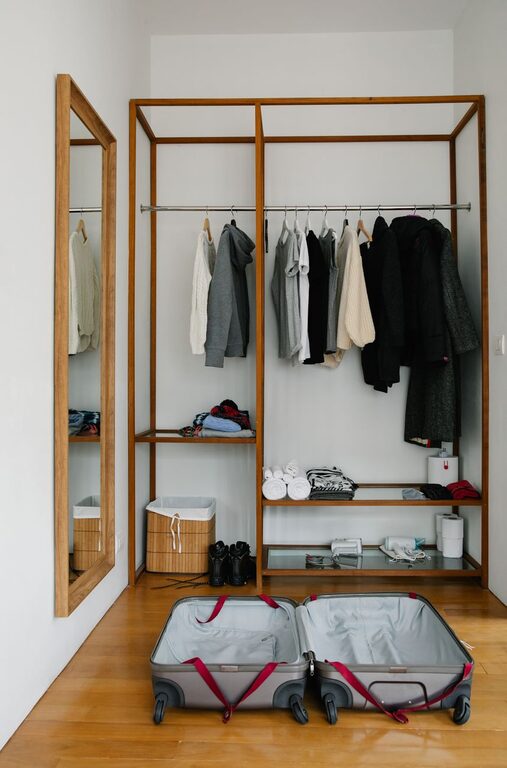
Storing seasonal clothes efficiently is a smart way to keep your home organized and your wardrobe easy to manage. Whether it’s winter coats, summer dresses, or holiday sweaters, having a system to store these items properly can save space, protect your clothes, and make seasonal transitions stress-free. In this post, we’ll explore practical strategies to help you store seasonal clothes efficiently.
Why Efficient Seasonal Storage Matters
Before diving into storage methods, it’s helpful to understand why proper storage is important:
– Maximizes space: When clothes are stored efficiently, you free up room for everyday essentials.
– Protects garments: Proper storage reduces damage from dust, moisture, and pests.
– Simplifies wardrobe changes: Having a neat system means you can easily find what you need when seasons change.
– Extends clothing life: Proper care keeps fabrics in good condition, saving you money.
Step 1: Sort and Declutter
Before packing away clothes, sort through your wardrobe. Ask yourself:
– Have I worn this item in the past year?
– Does it still fit and suit my style?
– Is it in good condition?
Items that no longer fit or you don’t wear can be donated or recycled. This step ensures you only store what you really want and need.
Step 2: Clean Everything Thoroughly
Always clean clothes before storing them. Dirt, oils, and stains can attract pests or cause fabric damage over time.
– Wash or dry clean garments according to care labels.
– Make sure clothes are completely dry to prevent mold and mildew.
– Repair any minor damage like missing buttons or loose threads.
Step 3: Choose the Right Storage Containers
The containers you use make a big difference in how well your clothes are preserved.
– Plastic bins: Clear, airtight bins protect from moisture and pests. They allow you to see contents easily.
– Fabric storage bags: Breathable bags prevent mildew but may not block pests.
– Under-bed storage: Great for maximizing space, these bins slide under your bed for convenient access.
– Vacuum-seal bags: Reduce the volume of bulky items like coats and sweaters by removing excess air.
Avoid cardboard boxes for long-term storage as they can attract pests and degrade.
Step 4: Use Proper Folding and Packing Techniques
How you fold and pack clothes affects how much space they take and how wrinkles develop.
– Fold sweaters and bulky items flat to avoid stretching.
– Fill smaller items like scarves and socks inside shoes or gaps to maximize space.
– Use acid-free tissue paper between delicate fabrics to prevent creasing.
– Label bins with the contents for quick identification.
Step 5: Store in a Suitable Location
Where you place your storage containers is just as important as how you pack them.
– Choose a dry, cool, and dark space such as a closet, under the bed, or a dedicated storage room.
– Avoid basements or attics that may have extreme temperatures or moisture.
– Elevate bins off the floor on shelves or pallets to avoid dampness.
Step 6: Protect Clothes from Pests and Moisture
To keep your stored clothes safe:
– Use cedar blocks, lavender sachets, or mothballs to repel moths and insects.
– Place silica gel packets or moisture absorbers inside containers to control humidity.
– Regularly check stored clothes for any signs of damage or pests.
Step 7: Rotate and Maintain Your Storage
When the season changes, rotate your clothes to keep everything fresh:
– Take out only what you need and repack carefully.
– Air out stored clothes every few months to prevent odors.
– Reassess your stored items annually to declutter or replace storage materials if needed.
Bonus Tips for Specific Items
– Winter coats: Hang them in garment bags to maintain shape and avoid creases.
– Delicate fabrics: Store flat or rolled in tissue paper inside breathable bags.
– Shoes: Clean, stuff with paper, and store in individual boxes or clear shoe organizers.
– Accessories: Use divided containers or small pouches to avoid tangling.
Final Thoughts
Efficiently storing seasonal clothes doesn’t have to be overwhelming. By sorting, cleaning, using the right containers, and choosing a good storage spot, you can protect your wardrobe and keep your home tidy. With a little preparation, switching your clothes with the seasons will be quick and easy, giving you more space and peace of mind all year long.
Try these tips today and enjoy a clutter-free, organized closet no matter the season!