

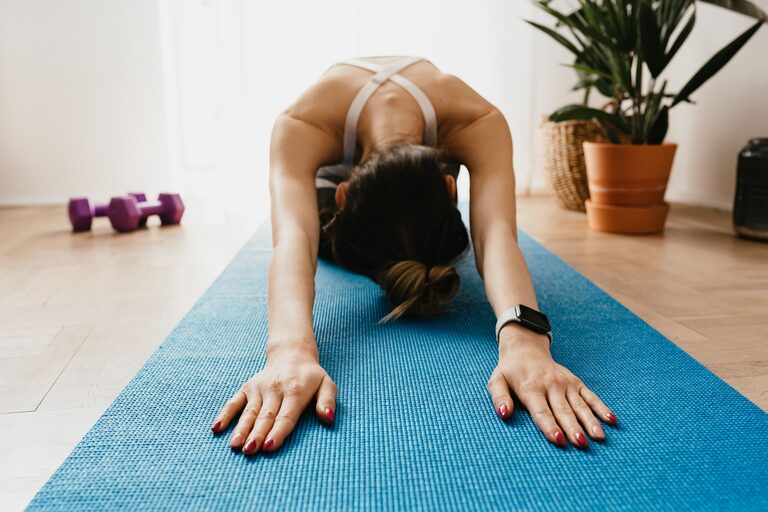
Stretching is a simple yet powerful way to improve your overall health and increase flexibility. Whether you’re looking to reduce muscle tension, enhance your range of motion, or simply relax after a long day, stretching at home can be a convenient and effective solution. This beginner’s guide will walk you through the basics of stretching, how to create a safe routine, and tips to get the most from your practice.
Why Stretching Matters
Stretching isn’t just for athletes or yoga enthusiasts. It has benefits for almost everyone, including:
– Improved flexibility and mobility: Stretching helps lengthen muscles and tendons, making daily movements easier.
– Reduced muscle tension: Regular stretching can relieve tightness caused by sitting or repetitive activities.
– Better posture: Stretching muscles around your shoulders and spine can support better alignment.
– Stress relief: Gentle stretching encourages relaxation and mindfulness.
– Injury prevention: A flexible body is less prone to strains and sprains during physical activities.
Types of Stretching
Before jumping into a routine, it’s helpful to know the main types of stretching:
1. Static Stretching
This involves holding a stretch in one position for 15-60 seconds. It’s great for cooling down or improving flexibility.
Example: Sitting on the floor and reaching for your toes.
2. Dynamic Stretching
Dynamic stretches involve controlled movements that gently take your muscles through their full range of motion. This type is ideal as a warm-up before exercise.
Example: Leg swings or arm circles.
3. Passive Stretching
Often similar to static stretching, passive stretching uses an external force (like your hand or a strap) to help deepen the stretch.
Example: Using a towel to pull your foot towards you while lying on your back.
4. Active Stretching
Active stretching involves holding a stretch using only the strength of your muscles without assistance.
Example: Lifting your leg and holding it in the air.
For beginners, starting with static and gentle dynamic stretches is recommended.
How to Get Started: Creating a Beginner Stretching Routine
1. Choose a Comfortable Space
Find a quiet, open area at home where you can move freely. Use a yoga mat or soft carpet to make stretches more comfortable.
2. Warm Up First
Even though stretching is gentle, warming up your muscles with 3-5 minutes of light activity like walking or marching in place helps prevent injury.
3. Focus on Major Muscle Groups
To create balance, target areas that often feel tight or tense:
– Neck and shoulders
– Chest and back
– Arms
– Hips
– Hamstrings and quadriceps (front of thigh)
– Calves
4. Hold Each Stretch Gently
Avoid bouncing or forcing a stretch. Hold each position for 20-30 seconds, feeling a mild stretch but no pain.
5. Breathe Deeply
Slow, deep breaths help oxygenate muscles and promote relaxation.
6. Stretch Regularly
Aim to stretch at least 3-4 times a week. Consistency is key for lasting improvements.
Sample Beginner Stretching Routine at Home
Here’s a simple routine you can try. Perform each stretch 1-2 times each side.
Neck Stretch
– Sit or stand tall.
– Gently tilt your head toward your right shoulder.
– Hold for 20 seconds, feeling the stretch along the left side of your neck.
– Repeat on the other side.
Shoulder Rolls
– Stand with feet hip-width apart.
– Roll your shoulders forward in a circular motion 10 times.
– Reverse direction for 10 rolls.
Chest Opener
– Clasp your hands behind your back.
– Straighten your arms and gently lift your hands away from your back.
– Open your chest and hold for 20-30 seconds.
Seated Spinal Twist
– Sit cross-legged or with legs extended.
– Place your right hand on your left knee, and your left hand behind you.
– Twist your torso gently to the left.
– Hold for 20 seconds, then switch sides.
Hamstring Stretch
– Sit on the floor with your right leg extended.
– Reach toward your right toes while keeping your back straight.
– Hold the stretch, then switch legs.
Quadriceps Stretch
– Stand and hold onto a chair for balance.
– Bend your right knee, bringing your foot toward your buttocks.
– Grab your ankle and gently pull.
– Hold and switch legs.
Calf Stretch
– Stand facing a wall.
– Step your right foot back, keeping it flat on the floor.
– Lean into the wall until you feel a stretch in your right calf.
– Hold for 20-30 seconds, then switch.
Tips for Safe Stretching
– Don’t stretch cold muscles: Warm up first to prevent injury.
– Avoid overstretching: You should feel tension, not pain.
– Move slowly: Avoid jerky or bouncing motions.
– Listen to your body: If a stretch causes discomfort or sharp pain, stop immediately.
– Stay hydrated: Stretching is gentler when you’re well-hydrated.
When to Stretch Throughout Your Day
– Morning: Stretching after waking up can gently awaken your muscles.
– Work breaks: Sitting for long periods tightens muscles; take a few minutes every hour to stretch.
– Before exercise: Use dynamic stretches to prepare your body.
– After exercise: Perform static stretches to help muscles relax.
– Before bed: Gentle stretching can help calm your body and improve sleep quality.
Additional Resources
If you want to explore stretching further, consider:
– Watching beginner stretching videos online.
– Joining gentle yoga or Pilates classes.
– Using apps that guide flexibility routines.
Final Thoughts
Starting a stretching routine at home is an easy and effective way to enhance your physical health and overall well-being. With regular practice, you’ll notice improvements in flexibility, posture, and relaxation. Remember, the key is to listen to your body and enjoy the process. Happy stretching!